This past week I've been thinking about the titles that people use/don't use on their artworks.   I've heard arguments for and against titles in our time.   The most common argument I hear about titles in our internet age is that the key words in a title can help people find your work more easily if they are not already followers of yours.   On the other hand, I've also heard that titles are a distraction from the work in question.

This has led to two basic approaches to titling ones work.    First either listing it as a most banal, plain descriptive title (i.e. "Flowers With Vase", "Farmhouse", "City Life" etc) or simply no title at all (i.e. just a blank space) or using the word "Untitled".

What if both of these approaches are wrong?  Might it be simply a sign of laziness on the part of the creator to come up with a captive title?  I have certainly been guilty of this lazy approach.   Wanting to post something but not wanting to spend time with the image I've created to think about what it could mean or what the image could "say".   I think, as a creative exercise, that a title should be approached as a writer who writes a book.   After all who would read a book with no title on the cover or simply the word "UNTITLED" on the cover?   Who would read a book titled, "THE BROKEN DOWN CAR"?   Maybe some would but it is not very likely.   What if we put as much effort into a title as a writer puts into a book.

Add to that, who says titles have to be short?  Are long titles a distraction or can they actually illuminate artwork much as artwork can illuminate a good literary work (as was proven in ancient times).  I suppose listening to the post rock genre of music is to blame for my conundrum.   There have been many post rock recordings with album and song titles that go beyond the common 1-4 word limit that most recordings use.

Examples (band name followed by album or song title)
- The Silver Mt Zion Orchestra - HE HAS LEFT US ALONE BUT SHAFTS OF LIGHT SOMETIMES GRACE THE CORNER OF OUR ROOMS
- Explosions In The Sky - THOSE WHO TELL THE TRUTH SHALL DIE, THOSE WHO TELL THE TRUTH SHALL LIVE FOREVER
- Hammock - RAISING YOUR VOICE... TRYING TO STOP AN ECHO
- Godspeed You! Black Emperor - LIFT YOUR SKINNY FISTS LIKE ANTENNA TO HEAVEN
- Red Sparrowes - THE FEAR IS EXCRUCIATING, BUT THEREIN LIES THE ANSWER

In Truth there are many great short titles also but I think there is less substance (or maybe thats not the right phrase) or requires less from the listener.
The titles of the albums listed above is a literary art in itself.   I would argue that it provides an additional context for listening.  Not only the casual listening that one gives a pop song but a deeper listen that engages ones imagination, intellect and emotional complexity.  A longer title can be a literary short-form poem, even a haiku.    It doesn't take away from the music but enhances the listening experience.    Or, in working with images, as I do... enhances the viewing experience.

For the visual arts a longer title can lead the viewer into the image from a different point of view.  And has the opportunity to change the viewers experience and possibly behavior that has become so prevalent in a click-bait world.   In short I will do anything to slow the viewer down to enjoy the experience of the image.

Here are some images of mine that I've recently created with longer titles.   Let me know what you think about this topic in the comments.
WE LANDED FOR THE STORM BUT WHEN THE STORM HAD PASSED WE HAD FORGOTTEN HOW TO FLY
WE SAT UNTIL WE COULD SIT NO MORE, BUT WE ALSO COULD NOT STAND, SO WE ASCENDED
I LOOKED AT MY HOME AND SAW THE EXPERIENCE OF MY SOUL
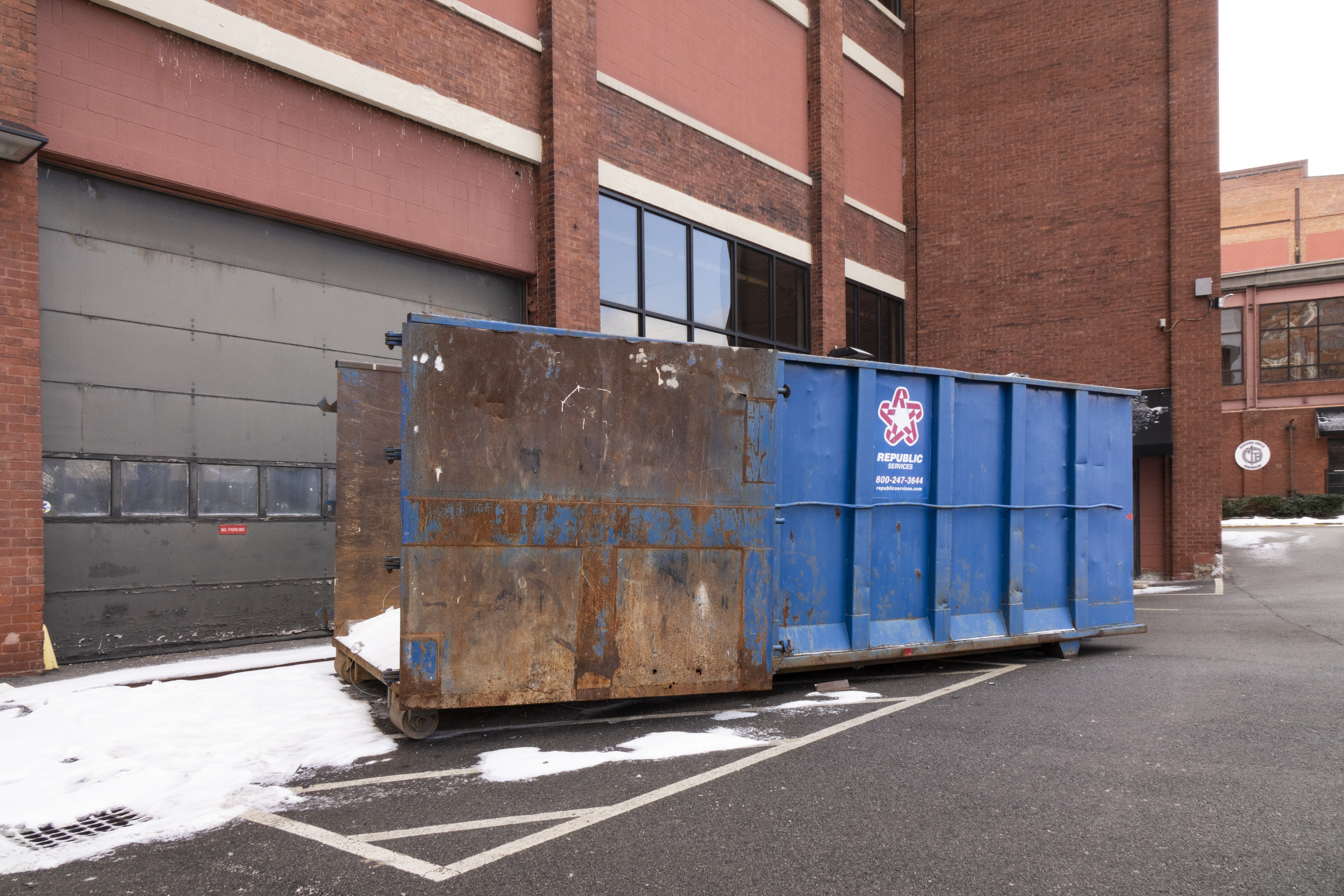
If you see something (or dare I say, someone) that you or others would label an “eyesore” or pain-in-the-ass. Look again. I dare you to find beauty and meaning in those things. It is difficult; but, it can lead to new understandings, acceptance and maybe even appreciation. My interest in dumpsters or what others may call containers (or whatever you use to collect rubbish, trash, garbage) is well known and long standing. Dumpsters are not only utilitarian but can reveal a beauty that was forged within their utilitarian function. This morning (2/14/21) I decided to head out with my camera (my valentine – LOL). I came across this large dumpster at a building where construction was being done. I almost never ever pass up a dumpster opportunity and this was no exception. You can see from the first image – the setting. Unimpressive, maybe even documentary. But that doesn’t stop me. That’s just the entry point for my imagination and creative thinking. I somehow am inspired by suffering, difficulty and challenges and find they are signposts along the road of life to happiness. I don’t seek them out but when they present themselves I do seek to turn around those situations into something worthwhile or worth living for.
Hinge: It all hinges on seeing that difficulty as an open door to something better. Unexpected – most likely. But a door or pathway revealed that I may not have considered before.
Overview: When we are confronted by such a door we must take a step back and take time to look at the details.
Details: These details offer clarity, understanding and unapologetic saturation and texture that makes it possible for us to complete the transformation from repulsion to acceptance and maybe even a sense of beauty. Art. Life is art – from beginning through to the end – and after the end, in memory and spirit.
*to view larger individual images in order: click on the first image below showing the dumpster in it’s habitat. Then click on the arrows to navigate through the complete set of images.
Considering the overwhelming impact of humanity on this planet I’m left with the following questions and statements to think about:
How much more of humanity can our planet support?
How much more of humanity will our planet tolerate?
At what point will our natural resources run out?
Then what?
Is there a danger that humanity will become extinct?
Would that be a bad thing?
Is the problem Humanity or merely the sheer volume/numbers of our species? After all no other species has completely dominated the earth like Humanity.
Nature always attempts to reset.
Isn’t the Corona Virus COVID-19, an attempt by nature to reset the balance of humanity to earths resources? Should we fight the Corona Virus, COVID-19?
In fighting nature aren’t we trying to control it and force it to our liking, our whims regardless of what may be best for our species AND the planet?
Does humanity have a false sense of value?
Does humanity have a false sense of what is morally right?
Does humanity have a false sense of importance?
Didn’t God create humanity to be caretakers of this planet?
when did humanity evolve from the “Image of God” to being god?
Hasn’t God always punished humanity for overstepping (think of the Tower of Babel)?
Even if we defeat the Corona Virus, COVID-19, something else will come along?
Just because we CAN – does that mean we SHOULD?
People will always get sick and people will ALWAYS die. Personally I’d rather die by natural cause like a virus than by a gun, war, violence or technological accident. Just think how much better the world will be if people took the same extreme measures to stop war, curb gun violence, domestic violence and other crimes of humanity – is it really just and right to imprison people in their homes because we are afraid?
http://www.anthropocene.info/pb5.php
what are the 7 signs of the Anthropocene – a manmade epoch?
1.Nuclear Weapons
2.Accelerated use of fossil fuels
3.The invention of 3 materials that have forever changed how we live: Concrete, Aluminum, Plastics
4.manmade change of earths geology through farming, mining, deforestation, landfills, dam building, coastal reclamation
5.Increased use of fertilizers
6.Climate change/global warming
7.mass extinction – we are currently in what is called the 6th mass extinction in planetary history with 3/4ths of species due to be wiped out in the coming centuries.
I once read something that got me thinking about how I photograph different subjects. I’ve started becoming more interested – not in just photographing a subject but actually photographing in a way that may allow people to look beyond the subject. How do we frame a subject?
Is the frame to be ignored for the subject?
Investigate the setting. Investigate the frame.
Can you see behind? What is hidden by the subject? What is revealed by the frame?
How does framing a subject tell us more about the subject than the subject itself?
For many in our image conscious culture life beyond the frame is frequently unthinkable. I think the opposite is true. Looking beyond the subject can deepen my appreciation and understanding. It inspires more questions on the journey that can propel the viewer further into the world of the image.
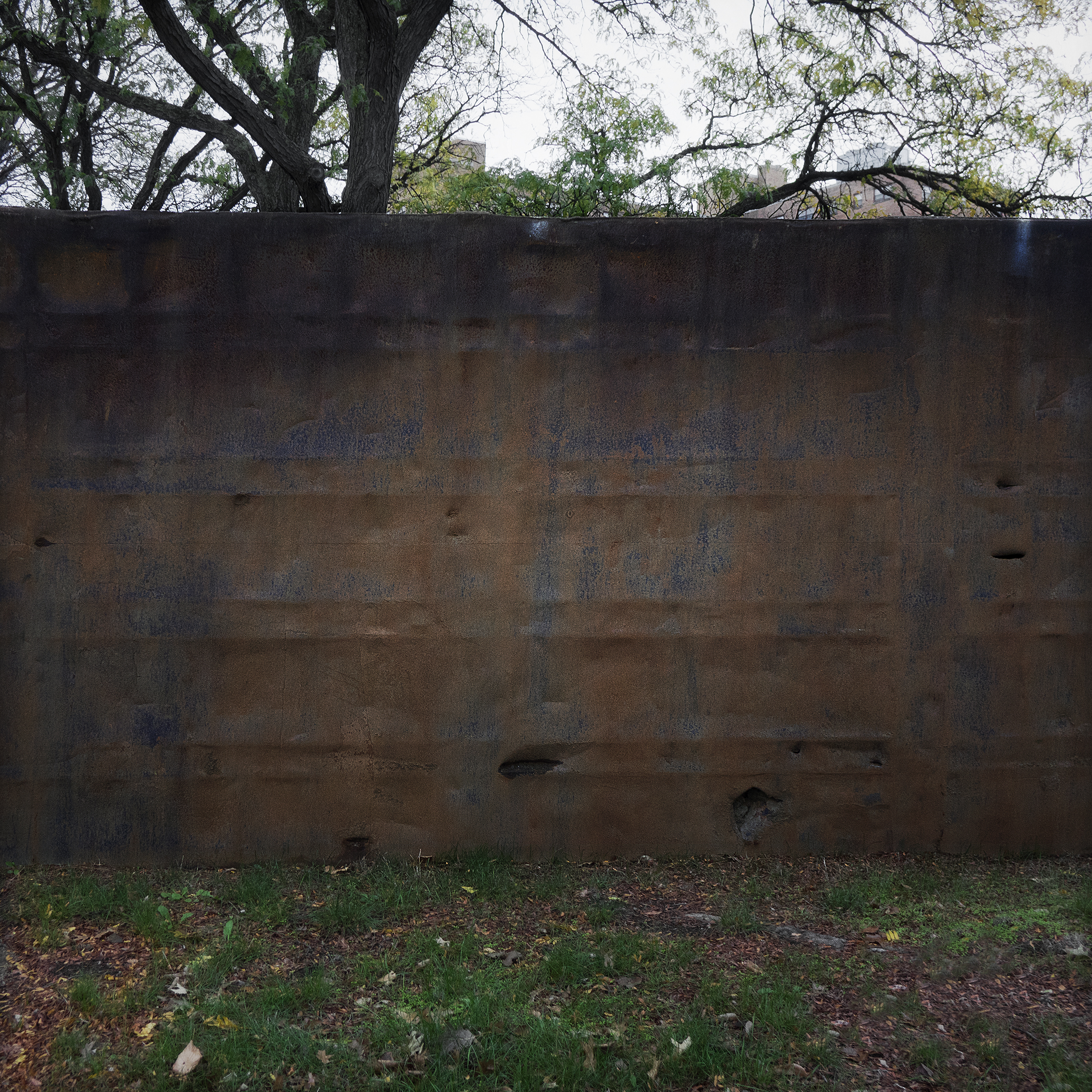
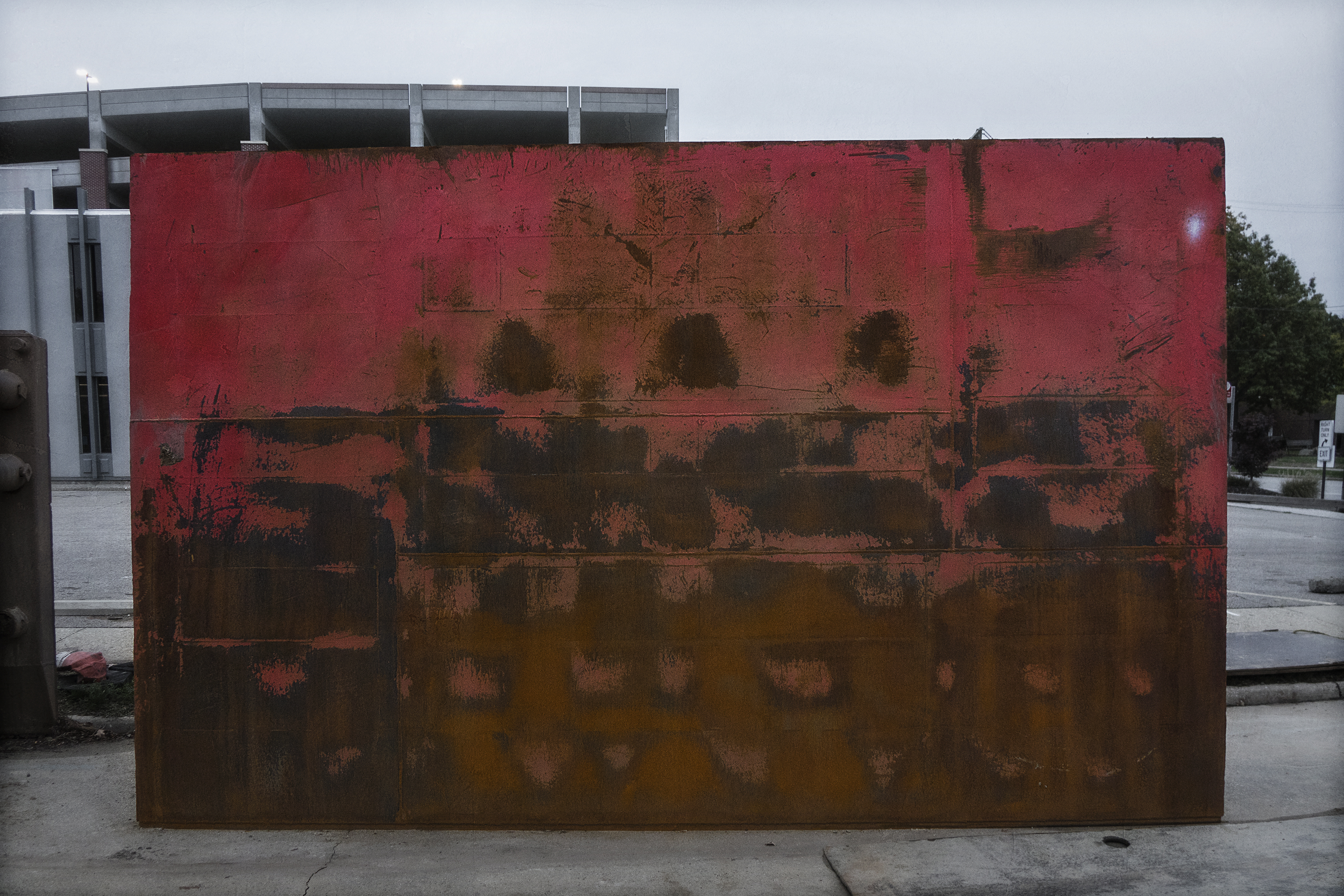
If you’ve followed me for some time then you know that I am a big fan of abstraction. And so often my images have been composed only of the subject itself. I haven’t changed As one friend told me “you actually think in abstract.” Maybe I’m just starting to expand my view to include a larger world and larger context in which the subject appears and that – for me – is just as interesting as the subject itself. That’s why I love images like the ones I’m posting here where the subject almost seems like a void – a vast emptiness that nearly fills the frame of the image but is framed by its surroundings.
I like the contrast between being and nothingness (as Sartre would phrase it). I find the tension between two opposite things utterly compelling. Existential imaging?
SHOW ME EVERYTHING – by Tindersticks from the album The Something Rain
“We may ask, ‘What is wisdom?’ It is our life itself.
We not only have that wisdom, we are constantly using it.
When we are cold, we put on more clothing.
When hungry, we eat. When sad, we cry.
Being happy, we laugh. That’s wisdom.
The seasons change, the stars shine in the sky, it’s all wisdom.
Regardless of whether we realize it or not,
we are always in the middle of the Way.
We are nothing but the Way itself.”
(fyi- this is a re-post from my previous blog in August, 2012.)
Scene from THE CROW “Victims, aren’t we all….”
I’ve been thinking about the things that put me “around the bend” regarding the institutions of the church. First of all I don’t believe the Church was ever meant to be an institution. It was just a label given to groups of people who got together from time to time.
The scene above from the excellent film, THE CROW, is a modern parable. A parable on the consequences of viewing ourselves, our churches, our religion, our culture as victims. When we view ourselves as victims we will only know violence, hatred and revenge. I’ve often told people, I am not and never will be a victim. That does not mean that others won’t try to make me a victim or victimize me in some way. But I choose to never see myself as a victim. That’s doesn’t mean my life is any easier. In fact, because of my choices, my life is at times more difficult than what it may need to be (I’ve been told more than once to just “play the game”).
This does not seem to be the case for the Church/institutional Christianity. It seems that the “church” everywhere is embracing victimization. For further proof one only needs to look at the elaborate security systems churches have in an effort to protect their investment. And that may be part of the problem. The investment for the church has become something other than the people who make up the church. Fund raising is used to prop up the institution. The Church has entered the realm of monument building. And it will do everything it can to defend and prop up it’s monuments. In short Churches have become “Like whitewashed tombs, which look beautiful on the outside but on the inside are full of dead men’s bones and everything unclean.” (Matthew 23:27) Everywhere we turn the so-called Church is on the attack. Defending it’s turf, complaining about its circumstances, and seeking anti-christian (legal/political) means of resolving it’s conflicts has become habitual behavior. In this age when the media is filled with stories of hate-crimes against different religions it is easy fall into the trap of victimization.
Why is victimization a trap? As soon as someone sees themselves as a victim they have already decided to react by complaining about their situation, lashing out, placing blame, even attacking the perceived cause/source of victimization. It’s done in the name of defending themselves. This is a very unhealthy and unproductive mindset. Sadly this is especially true in America since 9/11. Gun sales have risen sharply since that time. Sadly many of these buyers claim to be Christian. I know of people who try their best to use different bible passages to justify taking up arms (always out of context for self-justification). I know of one Christian who recently bought a gun in the name of defending his family. He sees himself as a minister of the gospel. But I ask what precedent does this set for your children? What example does that give to others? How does this even coincide with Jesus’ teaching – which you claim to follow? In fear, we already see ourselves as victims. When we are afraid we make unhealthy choices not only for ourselves but also for those around us who we may claim to be protecting. We become slaves to that fear of victimization. The result is we victimize ourselves. Sadly this has permeated the so-called church. We have applied this mindset to our beliefs – in spite of the actual teachings of the Source of the faith.
When we claim that we, our church and/or our religion are victims we are in bondage. We are trapped by our thinking. We have stopped promoting a gospel of love and freedom. We create and defend a gospel of bondage. We have created our own chains. Is it any wonder that Christianity has such a bad name today? Is it any wonder that church institutional membership is declining? Who wants to be in bondage? Not me! Jesus came to set people free from the very things that the church is doing.
Where I grew up and where I live there’s a lot of talk about being a “slave to Christ”, “in bondage to Christ”. Now the church has taken some archaic language in the bible and twisted it to support its gospel of bondage. As is surrendering one’s rights to the church has something to do with being Christian. It doesn’t. First of all slavery should never be promoted. If a person chooses to enslave themselves that is their choice. When the Bible is talking about being a “slave to Christ” it is not talking literally but metaphorically. It is about aligning oneself to the teachings of Christ and making every effort to live them in daily life and not give up trying even though one fails. That’s different from giving in to institution demand and mindset to defend the faith – as if faith was something to defend. This has given rise to an increase in Christian Apologetics. Genuine faith cannot be defended – it can only be lived.
Now, I want to be clear – I’ve NEVER heard a church or Christian say, “We are victims”. But a person doesn’t need to say it in words. As I’ve suggested all along – it’s in our attitudes/mindsets and our actions. Look at the Christians (whether Orthodox, Evangelical, Protestant, Catholic, etc) who seek to punish those they perceive are criminals (criminals being; those that object to, criticize, ridicule, distort and slander a person’s faith or religion in word and/or action) And this they apply to the arts, politics, science, education, lifestyles and other religions/belief systems. What has happened is that the Church has come to see itself as separate from humanity and not a part of it. This separation has had dire consequences. It is “Us vs. Them”. The church does not promote unity, healing, love among humanity but is a source of division. It not only puts one on the defensive but it becomes justification to attack and is used as a reason to go out and proselytize others in an effort to “bring them into the fold.” Instead of Christianity’s institutional leaders directing the path taught by Christ, this thinking is supported and encouraged. It is even applied to the institutions themselves – thus the evolution of the Gospel of Bondage.
This is inappropriate and was NEVER supported by Jesus. And that’s part of the problem. Jesus is being taught as the Messiah, that Savior of Humanity that did a lot of cool things and told some cool stories. But by-and-large the Church has stopped investigating his teachings. People use other scriptures out of context to justify their actions, thoughts and lives without testing them against what Christ taught. But if it doesn’t align with what Christ taught it is anti-christian.
So how should we then live? If we are Christians we need to re-investigate Jesus actual teachings and seek every effort to apply them to our lives. Teachings like forgiveness, love, compassion, mercy, caring for ALL people (not just those of our own faith or those who agree with us). When we can do this for people who are against us we no longer see them as separate from but actually a part of the big picture – a part of God’s creation – a part of the human family. We need to understand what he taught about the kingdom of heaven and what it means for us today.
We each have our function and purpose on this earth. We are part of one existence. Part of the God-consciousness itself. Each of us may be a different part of the body (i.e. someone may be a hand, foot, eye etc) but we can’t survive without each other. In fact we need each other. But If we reject others for their beliefs, actions, etc we are actually rejecting a part of the body that we are a part of. When this happens we are slowly killing ourselves by self decapitation. Have you ever seen a decapitation that was a good thing? Decapitation is ALWAYS violent and ugly.
A personal story:
I work in the Customer Service industry. No, not retail, not something that glamorous. I actually work the phones for a utility company. That means that I have the opportunity to be verbally attacked and even threatened – and it does happen from time to time. When I started this job (nearly 5 years ago) I literally had no idea what this would be like. Naturally at first I was on the defensive and it seemed that almost every call was a personal attack. And it’s hard not to feel that way when you are being verbally attacked or having your life or family threatened. Add to that we have a changing work-place environment based on the changing economy that adds challenges to the relationships I have with co-workers and supervisors. This all adds up to one stressful day. I tend to be more emotional anyway so dealing with these things are very difficult at times because it is my nature to react emotionally first and intellectually second. I am getting better at taking a moment (a breath, a pause, a heartbeat) to step back from the situation. But my growth and change has not been easy. I don’t think it’s supposed to be easy. But I view it as necessary. I keep a phrase by my computer that I look at quite often to remind me. It is simply, “Like water off a ducks back, let it roll over me.” The next step was to, as I’ve been talking about, viewing these people I deal with not just as “callers” or “co-worker’s” or “management” but as part of the human body – my body. It is a real game changer to think in this way. I can say that the outcome of my calls has been significantly different from when I started with this company. I still have a long way to go but I at least feel that I am on the right path. But again, it all comes down to the fact that at some point I decided NOT to be a victim or victimize others by being defensive.
We need to diminish our conflicts and differences not escalate them. It’s a choice. The choices we make now not only affect our actions but the actions of others both now and in the future. If we choose to perceive ourselves, our churches, our religion as victims we are making a very dangerous choice with dire consequences, both short-term and long-term. So don’t ever call me a victim. I am not and never will be a victim no matter what happens to me in this life. And it feels so good to say that. 🙂
Scene from DANGEROUS MINDS – “Choice”
Music today by Canadian musician Bruce Cockburn – GOSPEL OF BONDAGE
From the album ‘Big Circumstance’ (1989).
GOSPEL OF BONDAGE by BRUCE COCKBURN
Tabloids, bellowing raw delight
Hail the return of the Teutonic Knights
Inbred for purity and spoiling for a fight,
Another little puppet of the New Right
See-through dollars and mystery plagues
Varied detritus of Aquarian Age
Shutters on storefronts and shutters in the mind –
We kill ourselves to keep ourselves safe from crime.
That’s the gospel of bondage…
We’re so afraid of disorder we make it into a god
We can only placate with state security laws
Whose church consists of secret courts and wiretaps and shocks
Whose priests hold smoking guns, and whose sign is the double cross
But God must be on the side of the side that’s right
And not the right that justifies itself in terms of might –
Least of all a bunch of neo-nazis running hooded through the night
Which may be why He’s so conspicuously out of sight
Of the gospel of bondage…
You read the Bible in your special ways
You’re fond of quoting certain things it says –
Mouth full of righteousness and wrath from above
But when do we hear about forgiveness and love?
Sometimes you can hear the Spirit whispering to you,
But if God stays silent, what else can you do
Except listen to the silence? if you ever did you’d surely see
That God won’t be reduced to an ideology
Such as the gospel of bondage…







 ... on being and becoming ...