
CLXXXI
I grew up in a safe environment. Everything was safe. The food was safe. Society was safe. School was safe. Home was safe. But as I got older I learned that it wasn’t safe it was just protected.
There are people who still want to live in their own comfortable “protected” worlds. But protection is a myth. A legend elders tell children. It does not exist. And insisting it does exist, does not make it so.
Further I suggest that propagating this delusion is more harmful than preparing for the facts. The truth. Example: Climate change deniers often use their arguments as an excuse to keep from preparing for the consequences of climate change and taking action to slow it’s impact. And now with the pandemic, humanities approach to disease belies their own unpreparedness. Death and sickness has become unacceptable (even though it is inevitable) So they wear masks, they fight over it, they try to shame those who are “awake” and not afraid. They want a safe world where things don’t change. The climate doesn’t change. People don’t get sick and die. The world doesn’t change. Everything is safe.
What does this have to do with difficult music/difficult listening?
Like the quote from William S Burroughs in the Laurie Anderson video,
“language is a virus from outer space.”
Difficult music challenges a listeners perception of the norm. It suggests there is something else we need to consider. It suggests that we look into the dark corners. Difficult music is to sound what abstract expressionism was/is to art. And most people who have abstract art work treat if more as wallpaper than as something that has something to say/contribute to the conversation of our times. And in music, people typically do not choose to engage it because it requires them to think about what they are listening to. It is often difficult if not impossible to just hang it on a wall as pretty wallpaper for the soul. Difficult music is often derided as messy, juvenile, scary, ugly, inaccessible (not conforming to any known genre parameters) and ultimately ignored. It is the red-headed stepchild of the music world.
But we can learn much from difficult music. It is not something to be afraid of. The shadows are not scary if you enter with a flashlight. It can teach us about ourselves in ways we haven’t considered or dared think about. But to encounter and engage difficult music one must be prepared and perhaps that is the problem with our “protected”, “safe” elders they are not prepared and they do not know how to prepare the younger generation for the facts and truth of existence.
So, do you want to explore difficult music? Don’t know where to start?
Step One: Turn off the radio and TV – they are notorious “taste makers” that would rather keep you safe than expose you to truth. There are many artists that have helped me in preparing for the real world. I started learning about many “difficult” artists just from reading the underground music press (back in the 1980’s) when popular music was experiencing an explosion of variety. But difficult music existed long before I started reading about it.
Here are some artists you can start with (in no particular order):
Laurie Anderson Public Enemy
Einsturzende Neubauten/Blixa Bargeld The Last Poets
Alva Noto Lustmord
Laibach Rapoon/Zoviet*France
Robert Fripp/King Crimson et al Ornette Coleman
Diamanda Galas Lester Bowie
Sun Ra Terry Riley
The Art Ensemble of Chicago Steve Reich
Philip Glass (early works) Markus Reuter
Robert Rich Scott Walker (after 1994)
Merzbow Cabaret Voltaire
Swans Nurse With Wound
Matana Roberts Godspeed You! Black Emperor
The above artists all have work available on Youtube so enjoy your excursion into difficult music. Maybe in the future I’ll write about some of the specific recordings. Again this is just an introduction to difficult listening. Maybe not what you want to listen to in these difficult times but the music does speak to the truth of the times we are experiencing.
I’ll start you off with this Nurse With Wound video for the song BOTTOM FEEDER

A half-deflated balloon
decorated with
colorful stars and
“You’re So Special”
tethered to its cubicle
now
bobbing and weaving
now
drifting listlessly in
currents of stale
recirculated air
its metallic surface
reflecting the
bright
white light of
office fluorescents
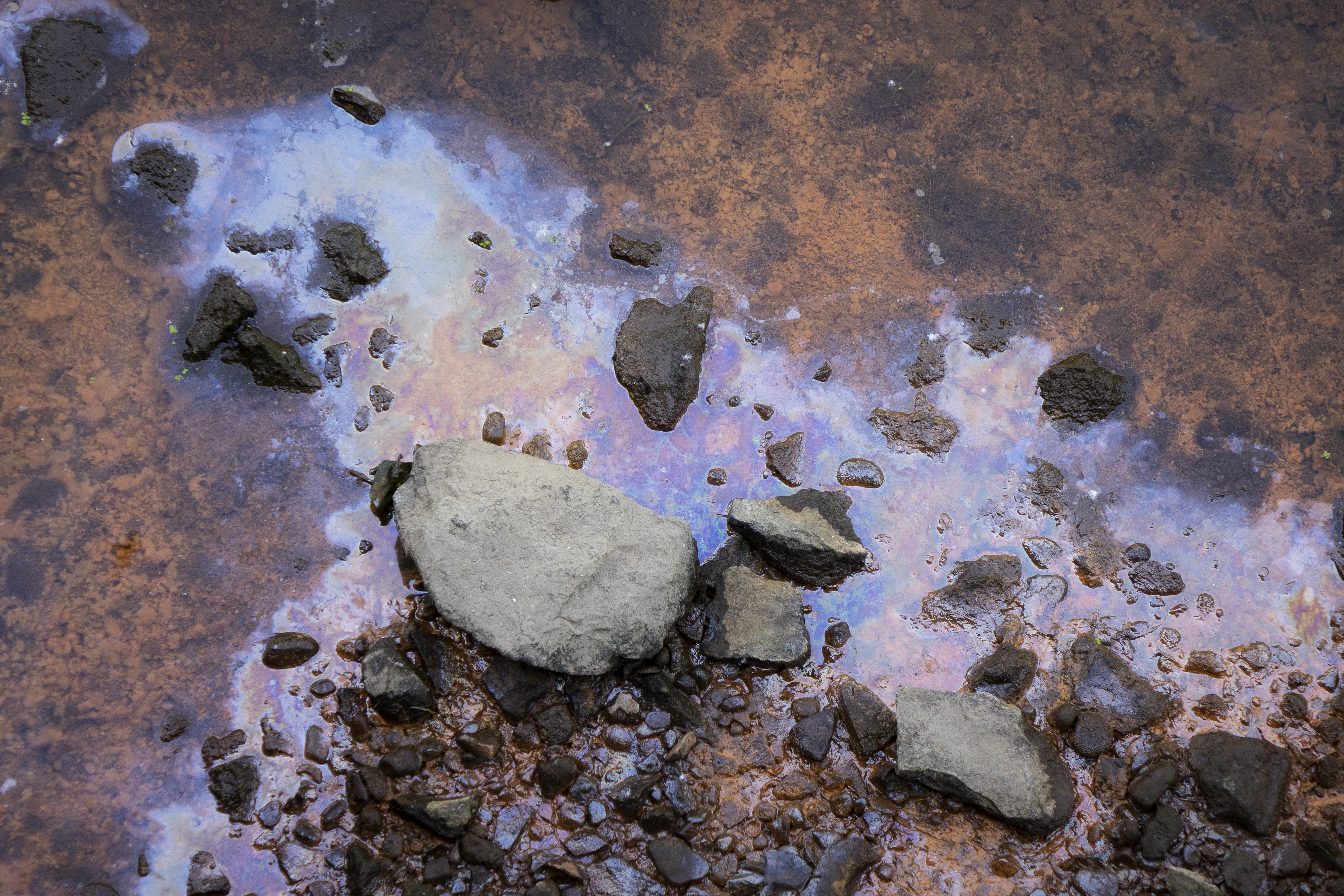
Kemical Shores

Kemical Komposition

Kemical Koating





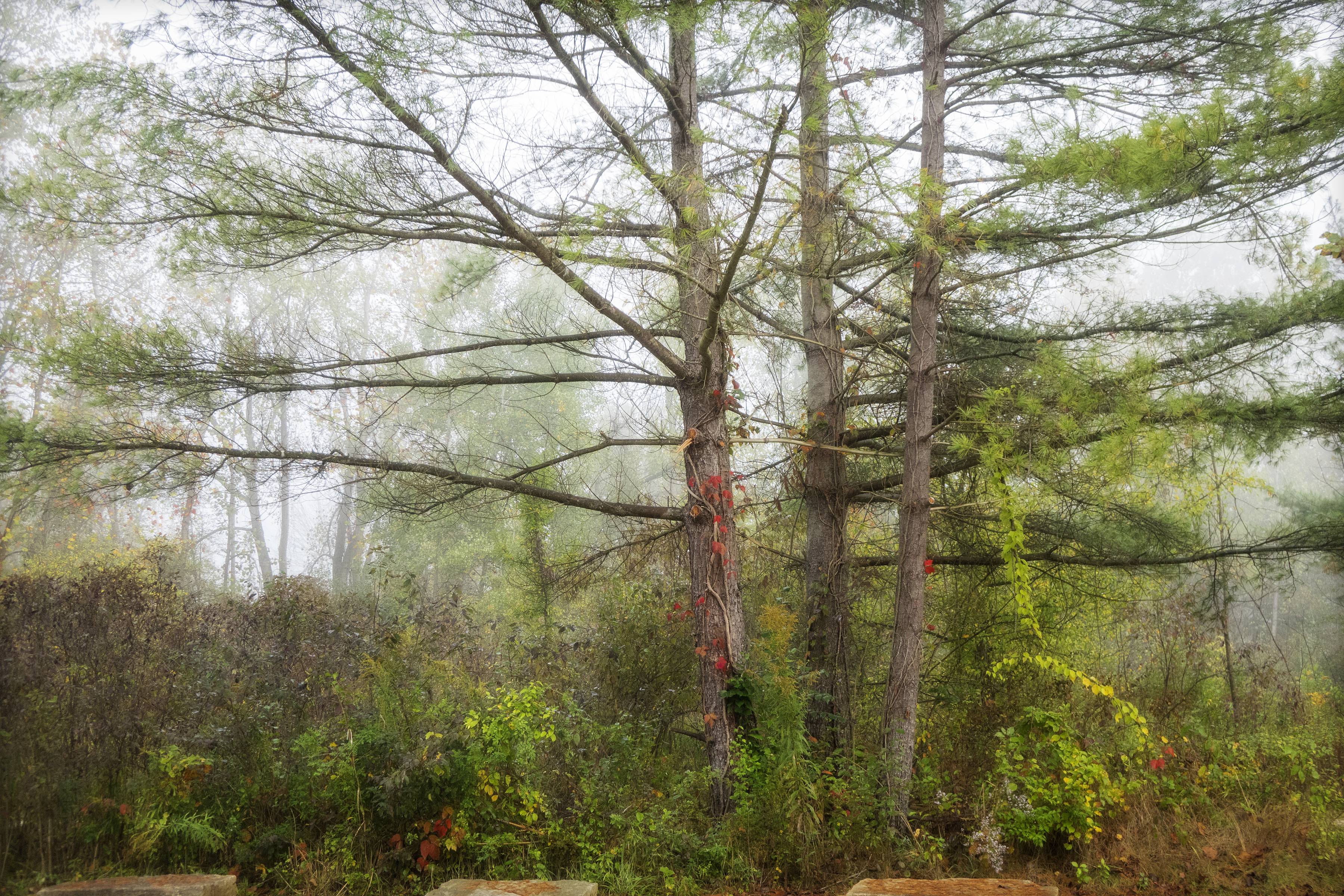
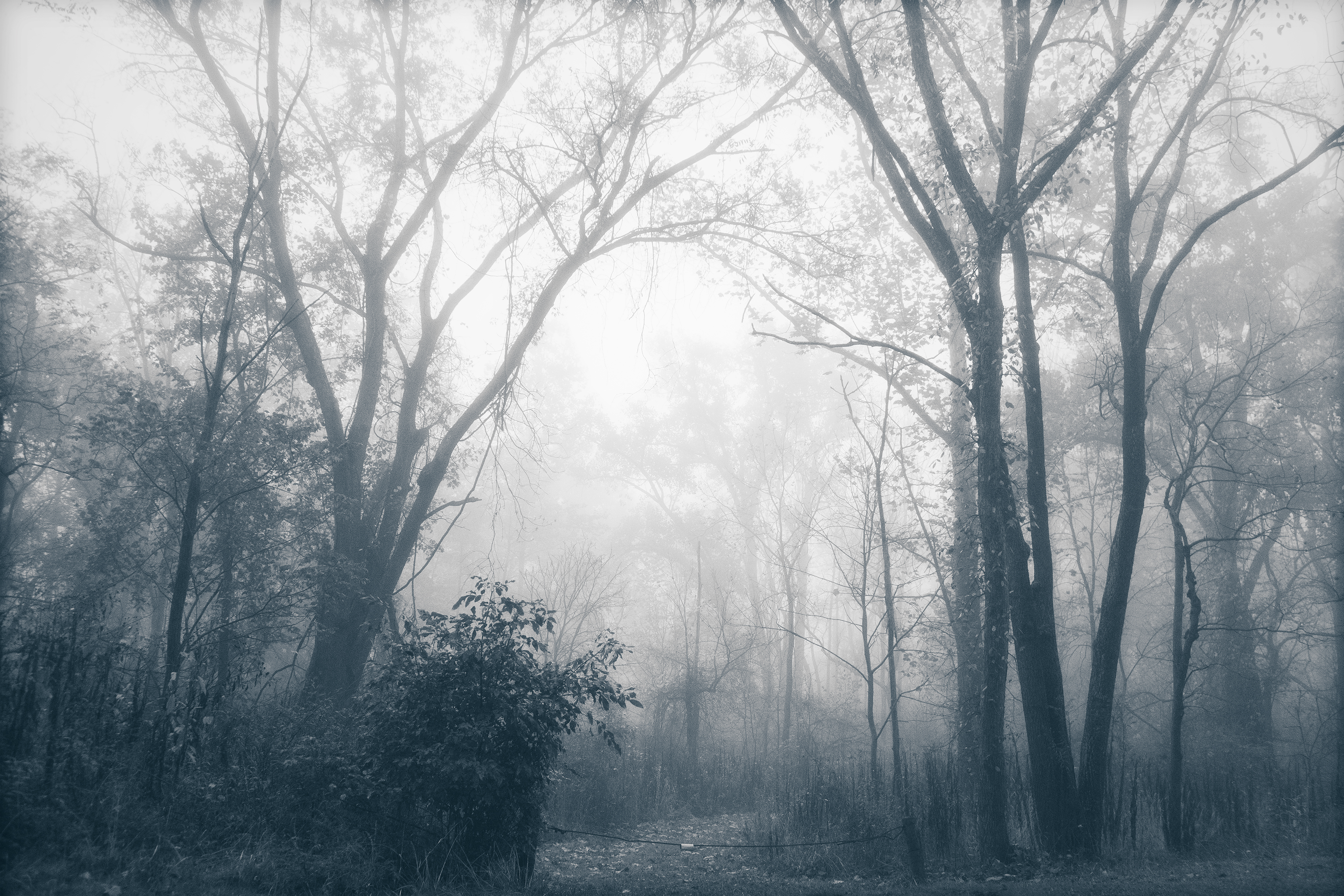
What’s so good about the fog?
For so many people fog has many negative connotations. It suggests a depressive mood, and is often associated with colder weather, absence of sunlight, obscured vision, loneliness and a lack of mental clarity (just to name a few).
But is that a fair assessment? For myself, there are many more positive aspects of fog – and as a photographer even the above mentioned “negative” associations serve the image in a positive manner.

I enjoy the quietness of a foggy morning. There is something restful and peaceful about looking out into a dense fog. I like the softness of light and damp crispness of the morning air. I enjoy seeing objects moving through fog – coming into focus then, dematerializing as if disappearing by magic forces. For me a foggy morning provides more clarity (not less) as it allows me to focus more intently on a single subject. It removes so much of the visual noise that is persistent on a full sunlit day. And finally, there is no depression or loneliness in a foggy day just pure mystery – a Draumalandið [dreamland]. And I enjoy the mystery.
Fog is something that is unplanned and hard to predict – for some people this constitutes as an unwelcome disruption that forces us to re-focus. I think it this is actually beneficial and stimulating both mentally and physically and is certainly healthier than other life disruptions that occur on a regular basis.
What many people forget is how temporary fog is. It seems to only exist for a short time. It usually comes overnight or early in the morning and usually disappears by early afternoon. For me, this impermanence of fog makes it more precious and therefore increases its value.

Photographing fog is really tricky. Because it entails finding the right balance between focus/clarity and the obscure object of desire. It can be richly rewarding when done well.
While I would not want to spend ALL my time in the fog I am glad when it is present and I hope you can enjoy it also.
The early morning had an autumnal chill in the air and was overcast like so many clouded minds waking to the new day.
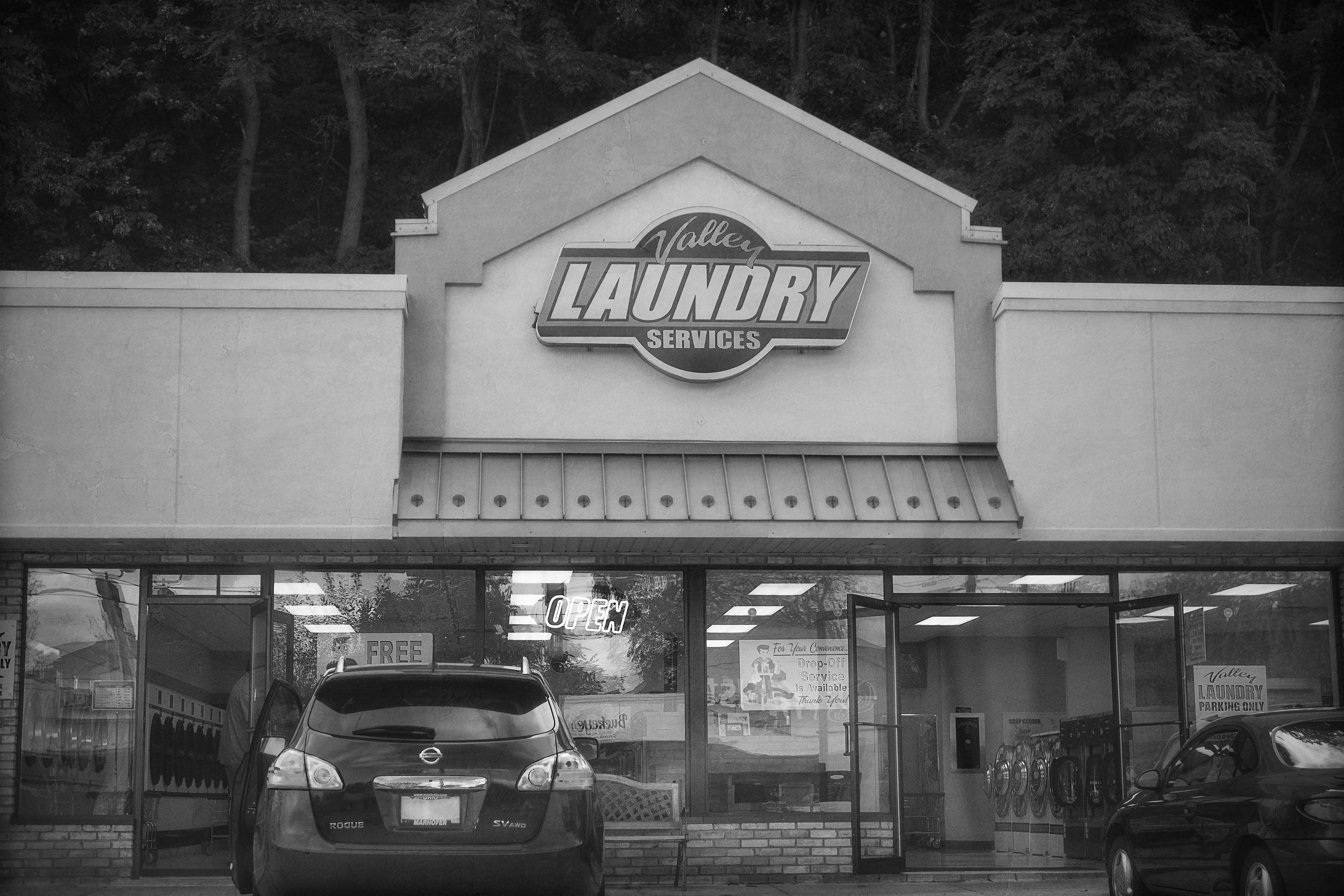
I was at the laundromat; not one of my favorite things. I go early, making every attempt to avoid the greedy rush of individuals jockeying for machines.
This morning eight other people had the same idea.
I had a book by Peter Handke that I was reading – ON A DARK NIGHT I LEFT MY SILENT HOUSE. It’s a short novel with prose that reads like poetry. It travels the razors edge of reality and dreams, so-much-so that, at times, I wasn’t sure if I was reading a really great story or if I was dreaming of reading. As I slipped farther and farther into the world of the story the sounds of the laundromat seemed more distant, muffled, even murky.
My quiet reading repose was interrupted by the RAT-A-TAT-TAT of machine gun fire – the sound of death – blasting from the mobile device of a seventy-year-old gray-haired grandmother playing an obviously violent video game and sitting near, too near me, lost in her own oblivion.
Annoyed by the cruel aural assault I just closed my eyes and let the sounds of the laundromat merge into a cacophonous free-jazz experiment; Albert King was playing on the overhead sound system swinging with updates about Hurricane Matthew, on the television, merging with the friendly chatter of others who seem to enjoy laundry – and company. Suddenly, a searing break of five washing machines whirring and buzzing, in their wild interlude, on the spin cycle in complete synchrony eventually to subside and merge with the rest of the sounds in this social sound-fest ending with the click click click click click of the same five machines stopping, signaling the cycle was over.
After drinking in all the sounds it was time to dry out, fluff and fold. The feeling of warm, fresh softness carried out to the car. Another week has ended. Now ready to start a new week, clean and clear. Ready to carry-on after this unpleasant sensorial massage. Ultimately satisfied. Paradox of mundanity.
A great lecture. I’ve been a fan of Naomi Klein ever since her books NO LOGO and SHOCK DOCTRINE. This lecture, based on her new book, soon to be a feature documentary film, called THIS CHANGES EVERYTHING. I have to admit that when she talks about fossil fuel companies that I actually work for one of those companies. But our company is exploring wind, biomass, water and solar energy and recently purchased a large Utah – based solar energy generation facility and is adding solar-powered projects. Is the change happening fast enough? Probably not because here in the US there is still little political will and even outright denial that the environment is a concern of the “fringe elements”(i.e. minority) of the population. So without further a-doo I hope you enjoy this lecture by Naomi Klein.
(feel free to skip past the first 5 minutes of introductions).
MESSAGES FROM THE FUTURE #82

Do you want to feel more empowered?
Do you want be be happier?
Do you want to experience bliss more frequently?
Here’s what you do…
1. Stop watching news programming!
2. Ignore advertising!
3. Exit politics.
4. Tune in to your immediate environment.
5. Take responsibility for your self.
6. Control your self.
7. Step away from your monitor.
Isn’t it interesting that a computer screen is called a monitor? Do we monitor it or does it, by our constant viewing, monitor us?
 ... on being and becoming ...