
CXI
December 24TH is a song by a unique song stylist, Julia Fordham. Her music typically dances on the line between jazz and pop. It is accompanied by a specific type of mood that can be laid back, accepting, sad or reserved happiness and only occasionally unbounded joy. Since I love moody music it fits right in with my melancholic state of mind.
There is a “hard truth” in this song that is so important – things don’t always turn out the way we planned and you “don’t always get back what you give.” It’s a different way of stating the golden rule of “Do unto other as you want them to do unto you” (not that they will return the favor).
Enjoy this little bit of holiday melancholia.
The Year: 1958
The Place: Paris, France
The artist: Miles Davis.
The Film: Ascenseur pour l'échafaud, (English: Elevator To The Gallows) directed by Louis Malle.

Nineteen fifty-eight was a very special year.
But let's go back. a year earlier.   Miles Davis was at a musical crossroads even contemplating retirement.  He needed something different, something new.   None of the projects his label and management suggested were of interest at the time.  He did settle on  recordings with Gil Evans which would turn into a 5 album collaboration over the next few years.   Albums who's style would also be informed and influenced by the experience Miles would soon gain.

But let's not get ahead of ourselves.  We're still stuck in 1957 and miles is still "stuck" in his predicament.   In November 1957 He travelled to France at the invitation of film director, Louis Malle, and was asked to compose the soundtrack for the director's first feature length film  Ascenseur pour l'échafaud.   Miles had never recorded a soundtrack before - let alone been asked to compose the score.

Perhaps with nothing to lose or perhaps nothing to be gained,  Miles launched himself forward.  He had an interest in modal jazz and was at the vanguard of that movement which was just being developed in the mid 1950s.  With Miles success, it would be a guaranteed influence on generations to come.  Miles was totally free.   Free from the expectations that had come to fall on him from the jazz world.  Film Director, Louis Malle, has suggested that he and Miles only discussed a few ideas before recording started in December 4, 1957.  Miles was joined by French jazz musicians Barney Wilen, Pierre Michelot, and René Urtreger, and American drummer Kenny Clarke.  Nothing was written down (composed).  Nothing was planned.

The musicians sat in a darkened studio and watched the film unfold.   With Miles leadership they completely improvised the score to the film based solely on the mood in the film.  A film that would be a star vehicle for the smokey and dreamy Jeanne Moreau.   It is a pure delight to listen to the different takes of the various themes as they each reflect the freedom of complete improvisation with nothing tied to paper.  With no distractions or expectations Miles created a sound that would lead to some of his greatest work in the years to come.   Coloring both his collaborations with Gil Evans but also having a huge influence on his solo recordings starting with MILESTONES (1958) and A KIND OF BLUE (1959) (arguably his greatest solo record).   I'd go so far as to say that these albums would not have existed if it hadn't been for his experience in creating the score for this film.

I'd strongly encourage you to purchase a copy of the complete recordings of this amazing soundtrack Ascenseur pour l'échafaud.
Listen to what would be a nursery for the development of a new sound, new approach and new way of thinking about Jazz for generations to come.


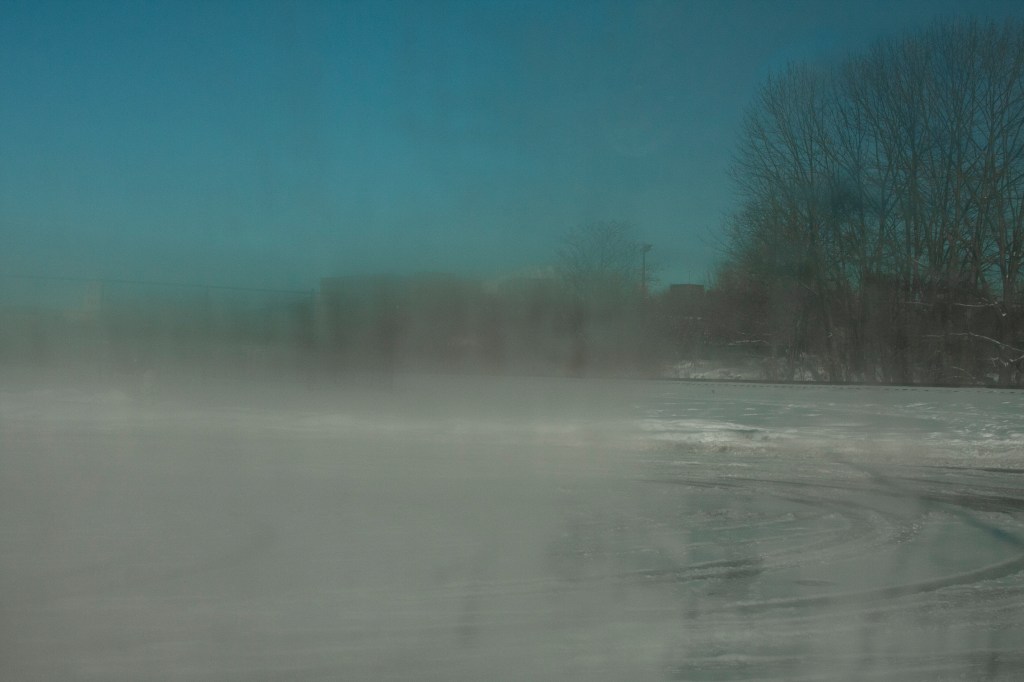
I’m looking at clouds from the inside and asking questions in a world of blue. Floating in the icy ether of wonder and amazement. I feel the cold harshness of ice yet am comforted by the blanket of fog wrapped around my body and soul, satisfied by the question when the answer eludes me.
The song Sung by Julee Cruise, Questions In A World Of Blue from the TWIN PEAKS: FIRE WALK WITH ME film soundtrack. Written by master song stylist Angelo Badalamenti. A beautiful song of loss. The musical essence of saudade. Like ice and fog.
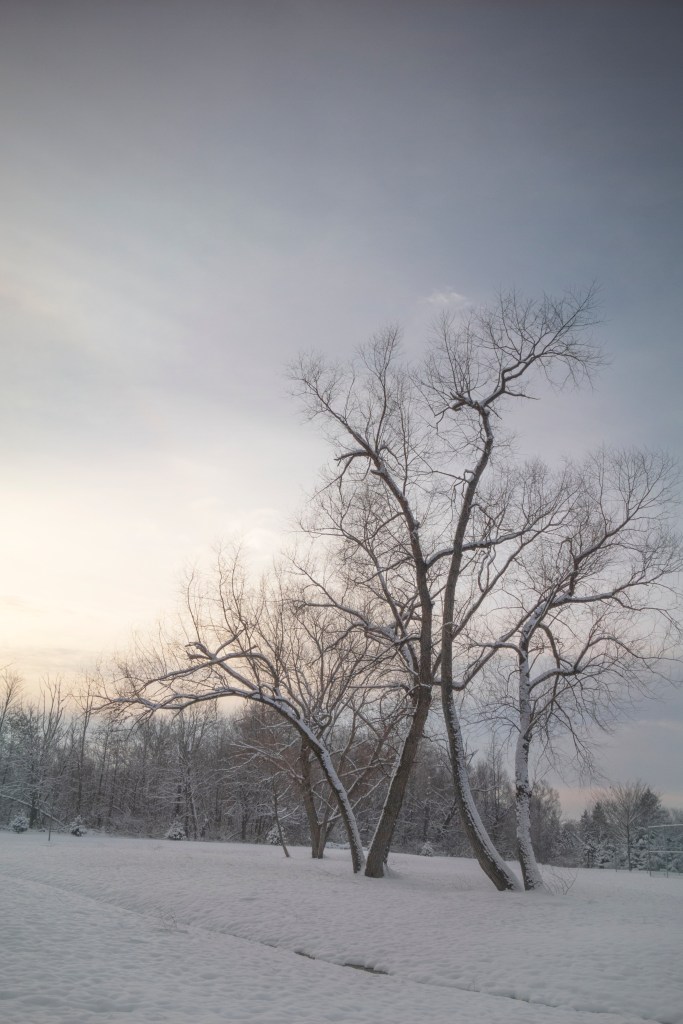
Looks like we will have snow for Christmas here in Ohio. I honestly can’t remember the last time we had a white Christmas. Well with everything going on this past year the holidays are somewhat melancholic. One of my favorite “mood” singers is Julia Fordham. Here is her song DECEMBER 24TH originally from a 1995 compilation album Winter Fire & Snow: Songs For The Holiday Season that featured various artists from around the world.
The lyrics will take you through the rest of this year into the new year. Enjoy.
“just goes to show ya, just goes to show ya, none of us have time to waste….you don’t always get back what you give”
A half-deflated balloon
decorated with
colorful stars and
“You’re So Special”
tethered to its cubicle
now
bobbing and weaving
now
drifting listlessly in
currents of stale
recirculated air
its metallic surface
reflecting the
bright
white light of
office fluorescents


What’s so good about the fog?
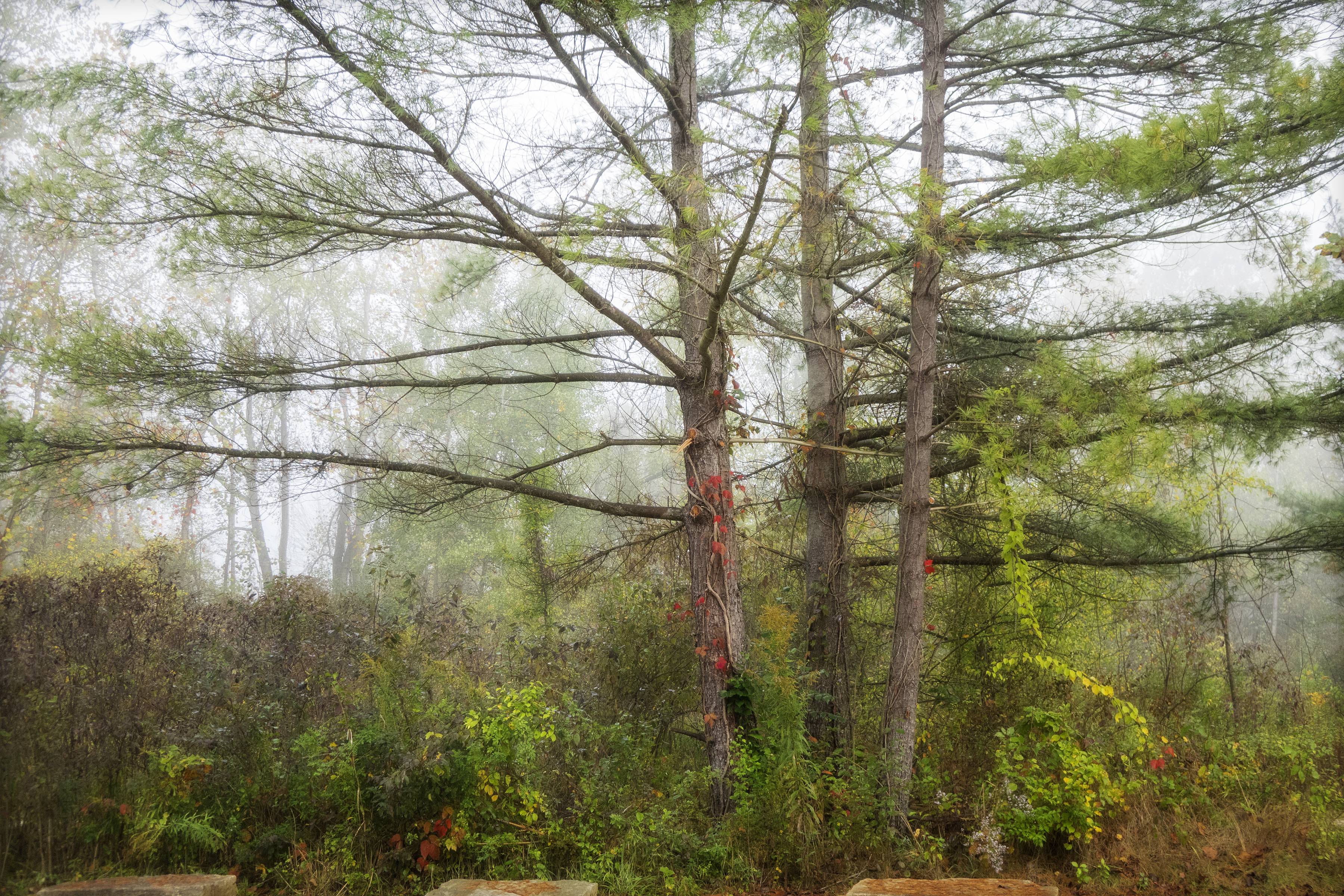
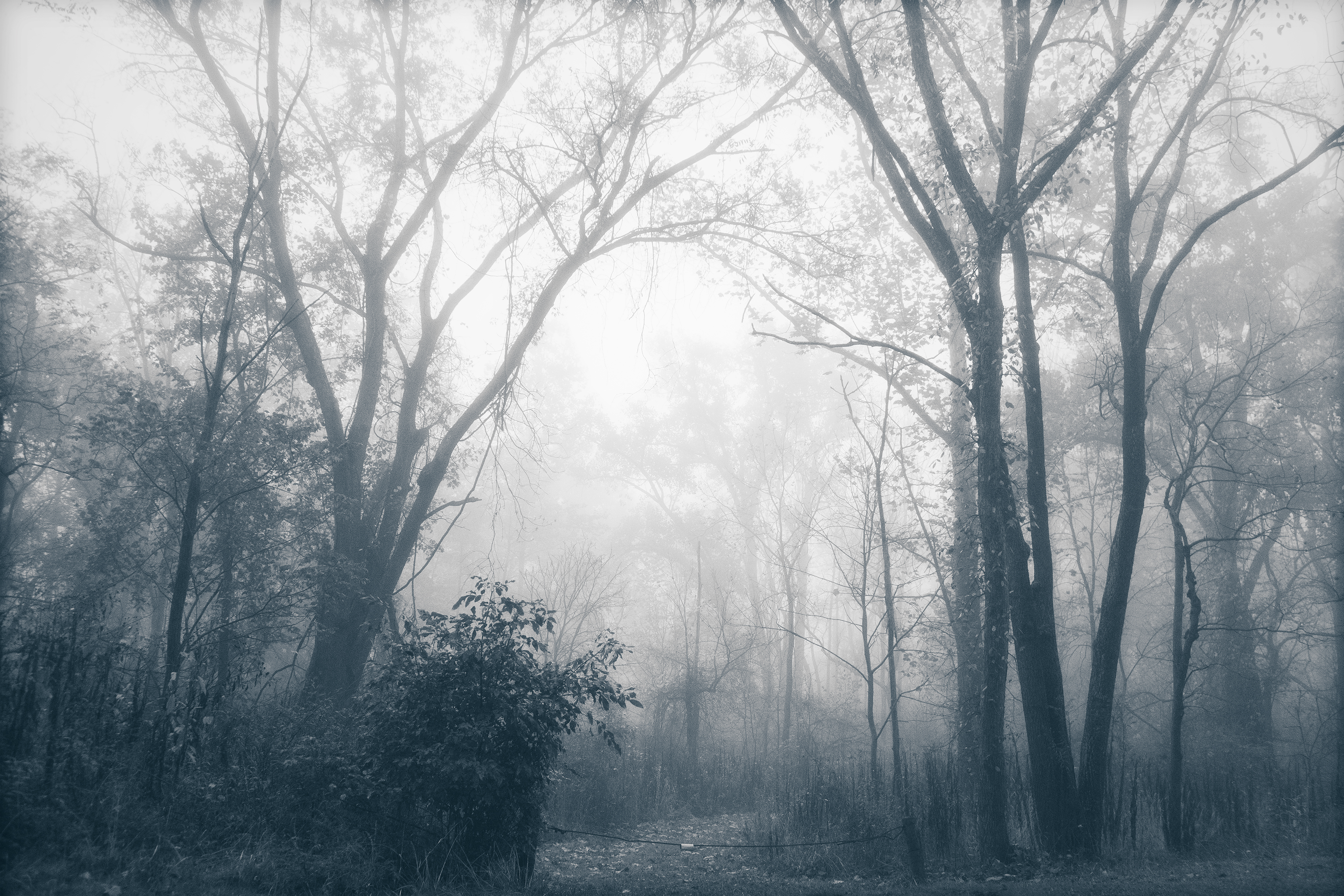
For so many people fog has many negative connotations. It suggests a depressive mood, and is often associated with colder weather, absence of sunlight, obscured vision, loneliness and a lack of mental clarity (just to name a few).
But is that a fair assessment? For myself, there are many more positive aspects of fog – and as a photographer even the above mentioned “negative” associations serve the image in a positive manner.

I enjoy the quietness of a foggy morning. There is something restful and peaceful about looking out into a dense fog. I like the softness of light and damp crispness of the morning air. I enjoy seeing objects moving through fog – coming into focus then, dematerializing as if disappearing by magic forces. For me a foggy morning provides more clarity (not less) as it allows me to focus more intently on a single subject. It removes so much of the visual noise that is persistent on a full sunlit day. And finally, there is no depression or loneliness in a foggy day just pure mystery – a Draumalandið [dreamland]. And I enjoy the mystery.
Fog is something that is unplanned and hard to predict – for some people this constitutes as an unwelcome disruption that forces us to re-focus. I think it this is actually beneficial and stimulating both mentally and physically and is certainly healthier than other life disruptions that occur on a regular basis.
What many people forget is how temporary fog is. It seems to only exist for a short time. It usually comes overnight or early in the morning and usually disappears by early afternoon. For me, this impermanence of fog makes it more precious and therefore increases its value.

Photographing fog is really tricky. Because it entails finding the right balance between focus/clarity and the obscure object of desire. It can be richly rewarding when done well.
While I would not want to spend ALL my time in the fog I am glad when it is present and I hope you can enjoy it also.
 ... on being and becoming ...